



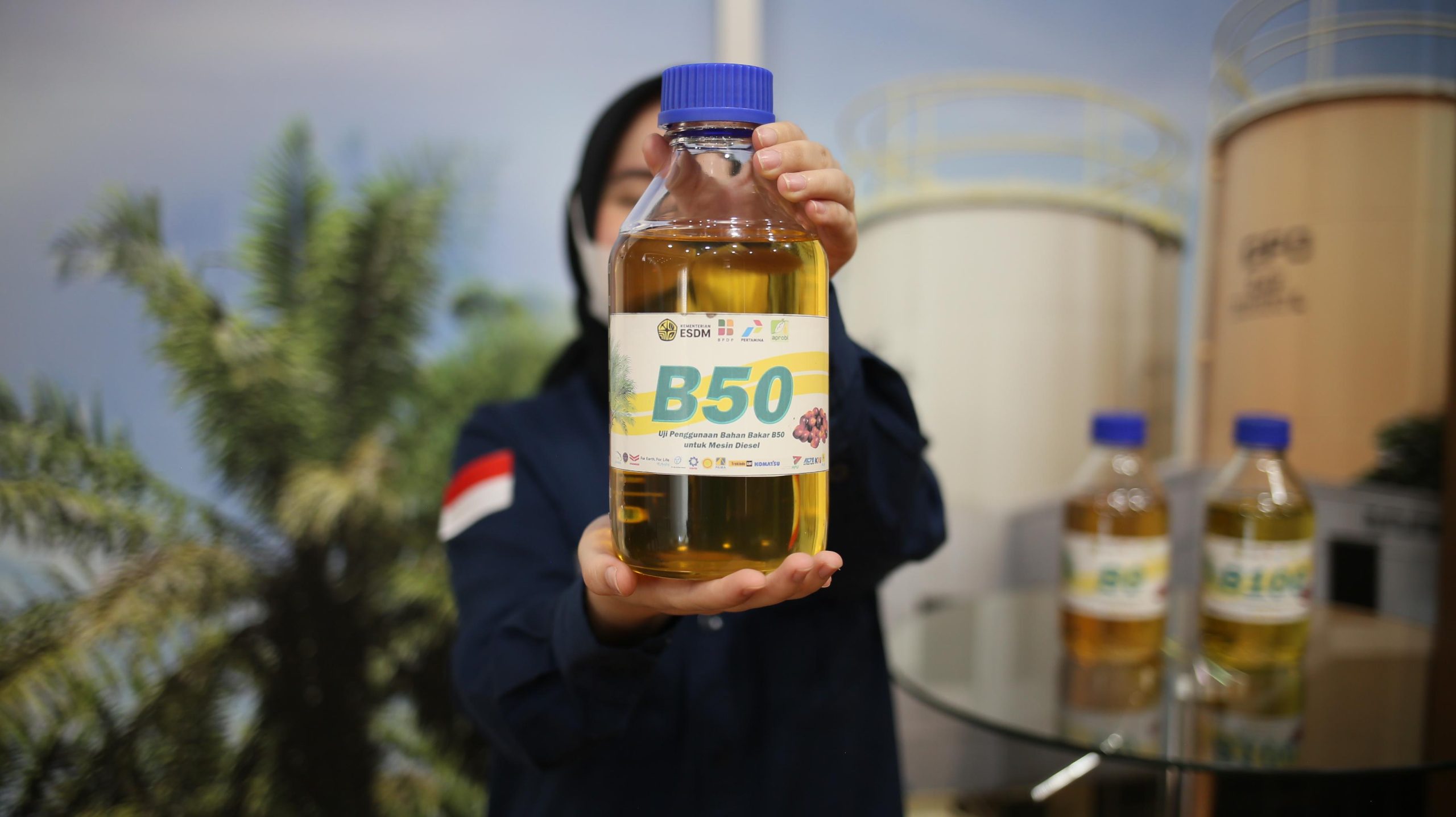

Indonesia has officially accelerated its timeline for energy independence with the formal announcement that the B50 biodiesel mandate will take effect on 1 July 2026. Agriculture Minister Andi Amran Sulaiman and Energy and Mineral Resources (ESDM) Minister Bahlil Lahadalia confirmed that the nation will cease all diesel fuel imports by this date, relying instead on a domestic blend of 50% crude palm oil (CPO)-based fatty acid methyl ester (FAME) and 50% fossil diesel. This regulatory shift represents a massive reallocation of national resources aimed at insulating the Indonesian economy from global energy volatility and tightening fiscal deficits.
The economic implications of this transition are substantial. The government projects that the B50 program will generate foreign exchange savings of approximately Rp157,28 trillion (US$9.18 billion) by the end of 2026. Furthermore, the policy is expected to reduce fossil fuel consumption by roughly 4.000.000 kiloliters annually and save an estimated Rp48 trillion (US$2,8 billion) in energy subsidies within the first six months of implementation. By diverting domestic CPO production into the energy pool, the administration aims to create a “circular” value chain that supports local farmers while reducing the trade balance’s sensitivity to fluctuations in the global gasoil market.
Technical validation for this mandate is nearing completion. Ongoing road and industrial trials, which commenced on 9 December 2025, have already achieved 70% of their testing milestones. In the mining sector, heavy equipment units have recorded over 1.000 operational hours using B50 with stable performance. While technical data indicates a slight increase in fuel consumption—approximately 1,0% to 3,12% compared to the previous B40 blend—engineers from the ESDM Ministry have classified these fluctuations as well within acceptable operational limits for industrial machinery.Final inspections for automotive engines are scheduled for June 2026, just weeks before the national rollout.